一个负责“记住”的组件
- 相似度检索与上下文召回
- 状态与隔离仍由应用层负责
- 容易与索引或模型实现绑定
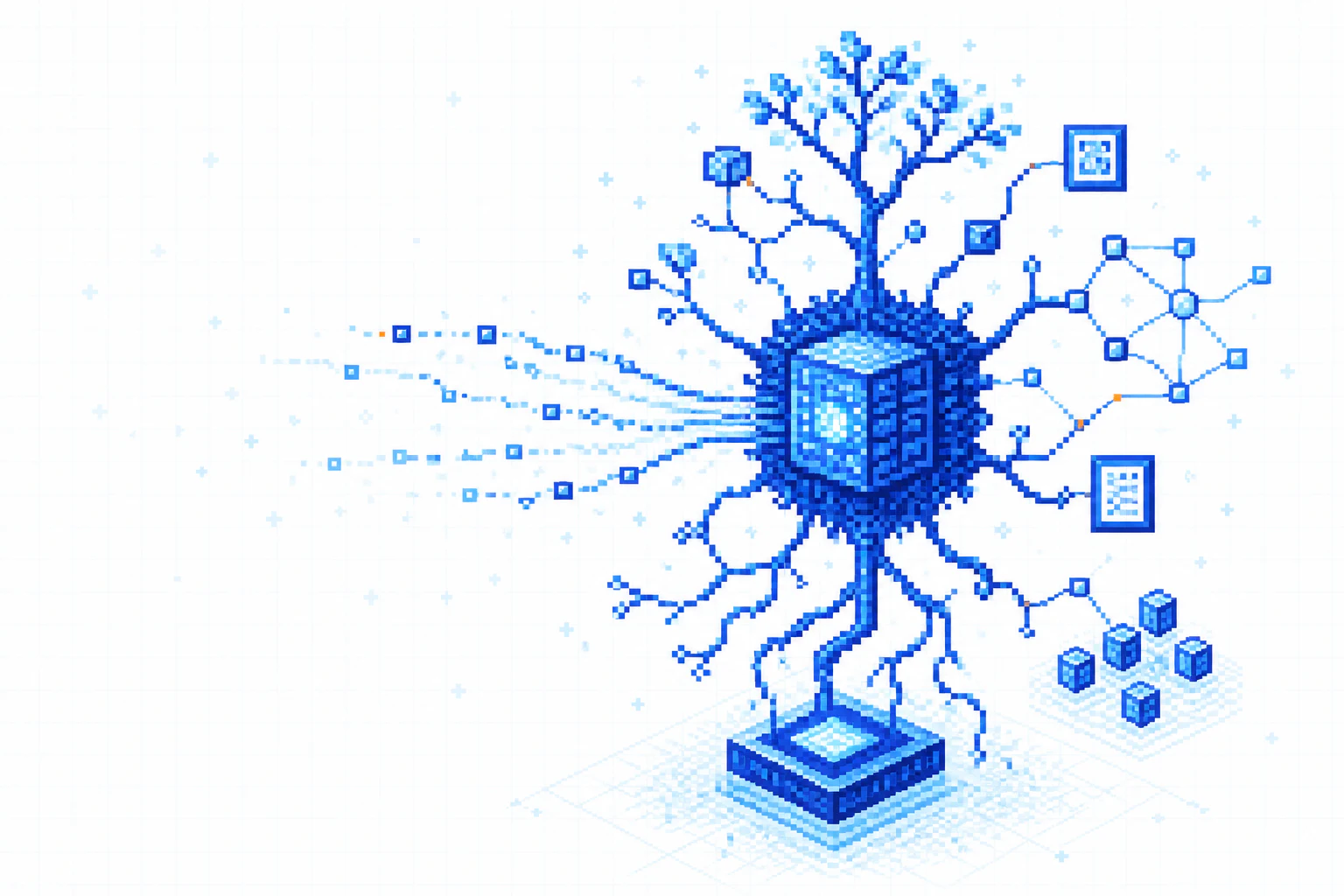
Plasmod 不只是 Memory 管理算法,而是为 Agent 工作负载设计的开源数据库:将事件、记忆、状态、产物、关系与版本作为一等对象,并返回可追溯的结构化证据。
plasmod://事件成为记忆
AGENT-NATIVE / ONLINE
WORKS WITH YOUR AGENT STACK
通过应用层与 Agent Runtime 接入。品牌标识仅用于说明生态兼容性,不代表厂商背书或官方合作。
 OpenAI
 DeepSeek
 MiniMax
 GLM
GLM
 Kimi
Kimi
 OpenClaw
 Hypha
Hypha
 Hermes
 Pi Agent
 Gemini
 Qwen
Qwen
 Meta Llama
 Mistral
 Ollama
 LangChain
 AutoGen
 CrewAI
 LlamaIndex
CODESOUL / EVENT-FIRST STACK
Hypha 把 Agent 的决策与副作用转化为受治理、可恢复的 Event;Plasmod 再把 Event 持久化为跨 Session 可查询的 Memory、State、Artifact、Relation 与结构化证据。
了解 Hypha Runtime↗MEMORY 是对象之一,而不是产品边界
WHY A DATABASE / 05 OUTCOMES
只有当 Agent 的记忆具备连续、可迁移、可信、可控和高效五种能力,它才真正成为可投入生产的基础设施。
把行为记录为事件,再统一转化为记忆、状态、产物、关系与版本;跨 Session、任务和重启仍可恢复、可重放、可追踪。
把规范化 Agent 记录作为稳定资产;Embedding、向量索引和基础模型都可替换,无需推倒重建 Memory。
查询结果同时连接来源事件、版本、关系图谱、Provenance 与 Proof Trace,可解释、可审计、可调试。
以 Agent、Session、Workspace、Tenant 为原生边界,加入共享契约、访问控制、生命周期、隔离与谱系追踪。
批量写入与查询、事件到对象的一体化管线、Warm Segment、并行扫描和批量缓存,共同提升吞吐、时延与成本稳定性。
一套 AGENT-NATIVE 对象模型
Event 是事实源。Memory、State、Artifact、Relation 与 Version 成为持久数据库对象,让 Agent 跨 Workspace、Session 与模型技术栈持续运行。
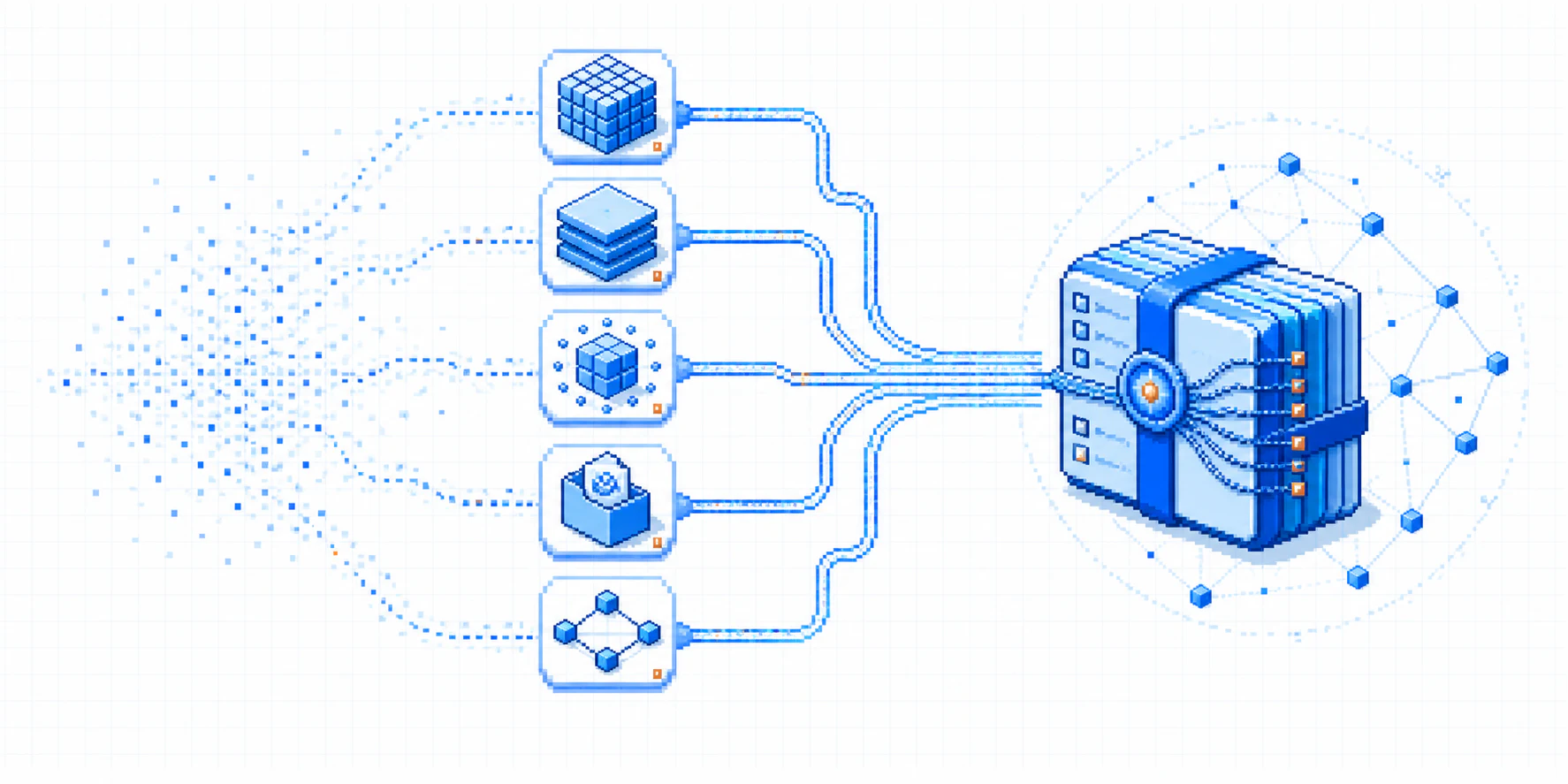 RAW EVENTS / COGNITIVE OBJECTS / EVIDENCE PACKAGE
检索,也给出理由
Plasmod 的查询结果可以包含匹配的 Memory 对象、来源元数据、Proof Trace 与一跳图谱上下文。开发者可以回到来源、转换过程和关系本身。
长期运行的 AI 系统
跨 Session 的持久记忆,以及可回放的状态演化。
→检索证据包,而不只是语义相近的文本块。
→以 Workspace / Session 隔离组织共享事实。
→检查知识如何变化,以及结果为何产生。
→QUICKSTART / LOCAL
安装 Python SDK,启动官方 Docker 镜像,再通过 EasyPlasmod 连接。以下命令与仓库 README 保持一致。
阅读完整 Quickstart ↗pip install -U pyplasmod
docker run -d --name plasmod \
-p 19530:19530 oneflybird/plasmod
python - <<'PY'
from pyplasmod import EasyPlasmod
with EasyPlasmod(base_url="http://127.0.0.1:19530") as client:
print(client.health())
PY代码、数据与社区
CODE SOUL / SKILL GARDEN
Skill Garden 把需求发现与基于 Hypha 的实现串起来;Plasmod 在其中是产品与证据底座,而不只是一个 GitHub 跳转。
进入 Skill Garden↗